



Farooq Abdullah warns of global economic fallout amid Iran-US-Israel tensions

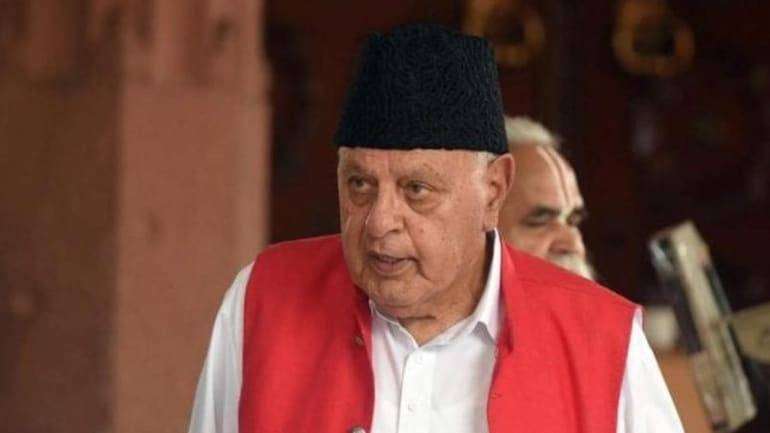
J&K National Conference President Dr. Farooq Abdullah on Wednesday voiced grave concern over the rapidly escalating conflict in West Asia, urging global powers to act with urgency and responsibility to prevent a deeper crisis that could destabilize the world order.
In a statement, Farooq appealed to world leaders to set aside differences and work collectively towards de-escalation. He warned that the ongoing conflict, particularly the intensifying hostilities involving Iran and US-Israel is already triggering severe disruptions in global energy supplies and financial stability. The crisis has significantly impacted oil markets and trade routes, with the Strait of Hormuz through which a substantial portion of the world’s energy supply passes facing unprecedented disruption.
“The precarious situation in West Asia, if allowed to worsen, will have catastrophic consequences for global finances. Rising oil prices, disrupted supply chains, and economic uncertainty will disproportionately affect developing nations,” he said.
Farooq emphasized that countries in the Global South, particularly India, are highly vulnerable to such shocks. “India, being heavily dependent on energy imports, will face inflationary pressures and economic strain. The poorest sections of society will bear the brunt through rising costs of living and reduced economic opportunities,” he added.
Expressing deep humanitarian concern, Farooq also urged the international community and the United Nations to immediately step in to assist civilians affected by the conflict in Iran. “Thousands of innocent people have been caught in the crossfire, with reports of heavy casualties and destruction of civilian infrastructure. The global community must rise to the occasion and ensure timely delivery of humanitarian aid, including essential medical supplies, food, and relief assistance,” he said. He called upon the United Nations and other international organizations to coordinate relief efforts and ensure that aid reaches those in urgent need without delay.
Reiterating his appeal for peace, Farooq stated, “The world cannot afford prolonged conflict. Dialogue, diplomacy, and humanitarian responsibility must prevail over aggression. The future of global stability depends on the choices made today.”
Farooq also conveyed his heartfelt prayers and solidarity with the people of Iran during this hour of immense suffering. “My thoughts and prayers are with the innocent men, women, and children of Iran who are enduring unimaginable hardship. May peace prevail and may they find strength and resilience in these testing times,” he added.