


CS Kundra reviews preparations for upcoming ‘Drug-free Ladakh’ campaign

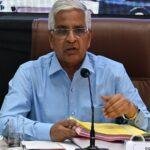
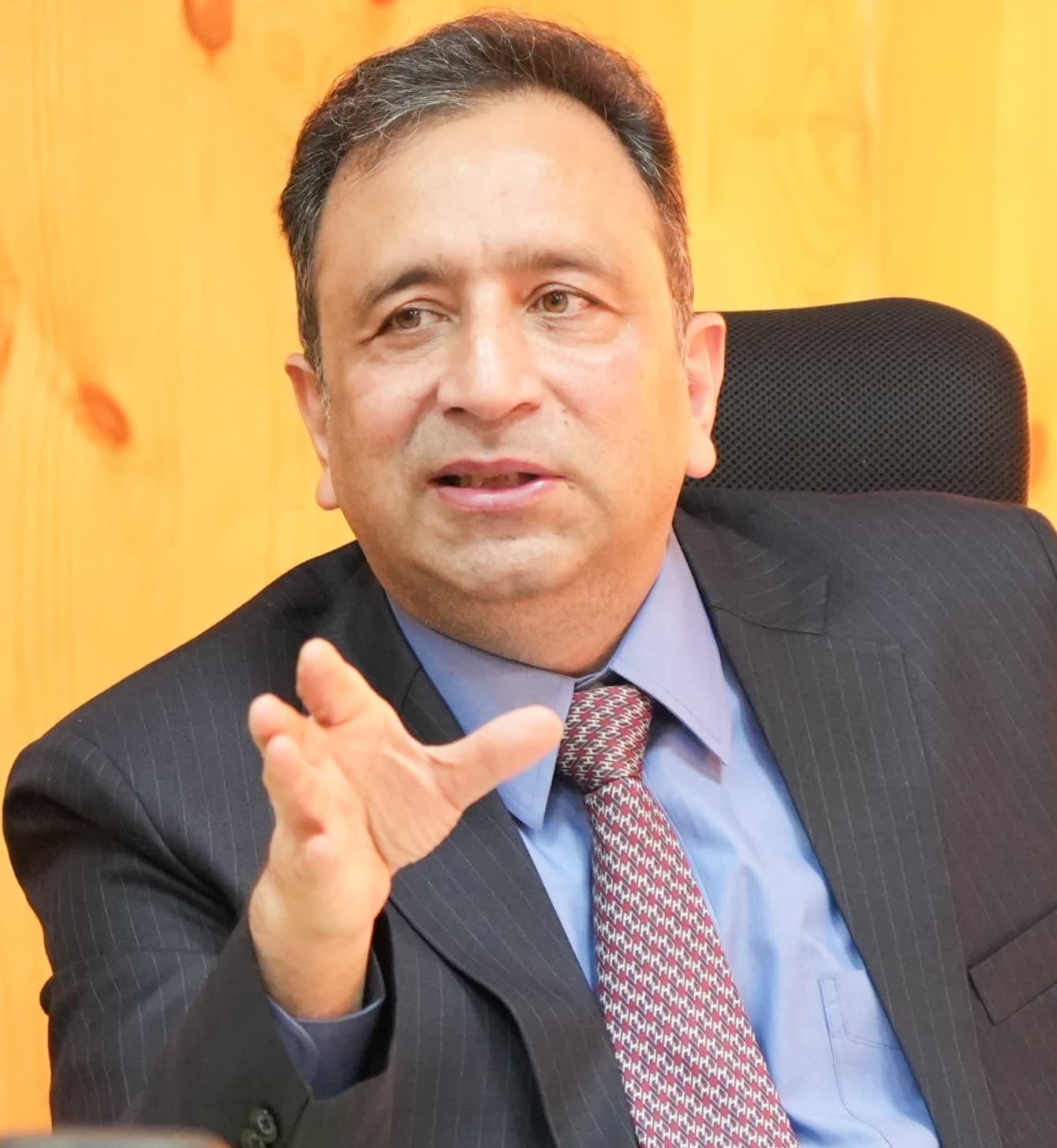
Chief Secretary of the Union Territory of Ladakh, Ashish Kundra, today chaired a high-level review meeting to finalize preparations for the upcoming UT-wide Drug-Free Ladakh Campaign to be launched under the Nasha Mukt Bharat Abhiyan, stressing the need for a coordinated, evidence-based and community-driven approach to combat substance abuse across the region.
The meeting brought together senior officers from various departments to deliberate on a comprehensive strategy aimed at prevention, awareness, early identification, treatment, rehabilitation and enforcement, with a special focus on protecting the youth from the growing menace of drug abuse.
Secretary, Social and Tribal Welfare, Ms. Nidhi Malik, presented the proposed roadmap for the month-long campaign, which will be implemented in mission mode with active participation from all departments. She informed the chair that nodal officers have been designated to ensure effective coordination and successful execution of the campaign. The campaign will include awareness rallies, competitions, community outreach programmes, educational camps, video campaigns, IEC activities and public engagement initiatives across the UT. She also informed that financial assistance received from the Ministry concerned would be utilized in a phased and result-oriented manner to maximize the campaign’s outreach and impact.
Reviewing the proposed strategy, the Chief Secretary emphasized that the campaign must go beyond conventional awareness programmes and involve every section of society. He called for active collaboration with religious leaders, community organizations, student associations, transport unions, educational institutions and civil society groups to build a sustained social movement against drug abuse. He underlined that visibility, measurable impact and effective implementation should remain the guiding principles of the campaign.
Stressing the importance of early intervention, the Chief Secretary directed departments to strengthen awareness in schools, colleges and among vulnerable sections of society. He called for a focused strategy involving the Police Department, Education Department, Health Department and Social Welfare Department to ensure a comprehensive response combining prevention, education, enforcement and rehabilitation.
During the meeting, Consultant Psychiatrist, Department of Health, highlighted that some of the most vulnerable groups include school dropouts, unemployed youth and those living away from their families in rented accommodations, making them difficult to reach through conventional awareness programmes. She suggested that Accredited Social Health Activists (ASHAs) and Auxiliary Nurse Midwives (ANMs), who possess detailed knowledge of households in their respective villages, should be trained to identify early symptoms of substance abuse and facilitate timely intervention. She also recommended conducting village-level orientation programmes to equip frontline workers with skills to recognize behavioural changes and refer vulnerable individuals for counselling and treatment. She further emphasized the need to engage children and recovering patients in productive skill-based and recreational activities to support long-term rehabilitation.
Appreciating the suggestions, the Chief Secretary directed the departments to incorporate them into the campaign strategy. He proposed conducting random sampling and assessments in villages, hostels and educational institutions to identify emerging trends and potential hotspots. He also called for targeted interventions among labourers, truck drivers, project workers and other vulnerable occupational groups. He stressed that the campaign should prioritize education and behavioural change while complementing enforcement efforts.
The Chief Secretary further directed that specialized awareness modules be developed for ASHA workers, ANMs, teachers and parents to strengthen early detection and community support systems. He stressed the involvement of village representatives, including Nambardars and other local leaders, in spreading awareness and reporting concerns. He also reviewed the functioning of the drug helpline and instructed that its number be widely publicized through digital platforms, WhatsApp groups and social media instead of relying primarily on traditional publicity methods.
Emphasizing the importance of data-driven policymaking, the Chief Secretary directed the concerned departments to undertake a detailed analysis of recent drug abuse cases, including the geographical distribution, age profile, occupational background and social circumstances of affected individuals. He instructed the Drug De-addiction and Rehabilitation Centre (DDAC) and the Health Department to maintain a comprehensive digital database of patients undergoing treatment, follow-up care and rehabilitation to facilitate targeted interventions and long-term monitoring.
The meeting was informed that the Drug De-addiction Centre is currently managing 126 opioid-related cases, including follow-up patients, while 71 patients are undergoing treatment for Hepatitis linked to substance abuse.
The Chief Secretary reviewed the proposal for outreach teams and mobile intervention services to reach vulnerable individuals at their homes whenever necessary and directed that outreach mechanisms be strengthened.
The Police Department made a detailed presentation on the UT’s enforcement strategy, covering NDPS enforcement measures undertaken during 2026, comparative seizure statistics, preventive initiatives, awareness campaigns conducted during 2025-26, de-addiction support measures and the implementation of decisions taken during NCORD meetings.
While reviewing the enforcement measures, the Chief Secretary sought detailed information regarding the profile of drug peddlers, their criminal backgrounds, repeat offenders and the action taken against organized supply networks. He directed the Police Department to intensify surveillance in vulnerable areas, strengthen night patrolling in market areas and make greater use of intelligence-led policing. He also emphasized the need to examine the effectiveness of existing enforcement measures, including the deployment of sniffer dogs and inter-agency coordination.
Highlighting the role of digital communication in influencing young people, the Chief Secretary directed the departments to engage social media experts and local influencers to produce short, impactful videos promoting a drug-free lifestyle. He also stressed expanding youth engagement through sports, cultural activities and rural games in collaboration with organizations such as the Indo-Tibetan Border Police (ITBP) under civic action programmes to channel the energy of young people towards constructive pursuits.
The Chief Secretary further suggested instituting recognition and incentive mechanisms for ASHA workers, ANMs, teachers and villages demonstrating exemplary efforts in preventing drug abuse. He emphasized sustained engagement with transport associations, labour unions and community organizations, noting that most narcotic substances enter the region from outside and therefore require stronger coordination among enforcement agencies and community stakeholders.
Calling for an integrated and unified response, the Chief Secretary directed the Social and Tribal Welfare Department to consolidate the recommendations of all departments and present a comprehensive action plan during the next NCORD meeting, scheduled within the next ten days. He instructed all departments to bridge existing gaps, ensure close inter-departmental coordination and implement actionable interventions within defined timelines.
The meeting was attended by the Director General of Police, Divisional Commissioner, Secretary, Social and Tribal Welfare, Secretary, School Education, Secretary, Public Works Department, Secretary, Law, Deputy Commissioner Leh, Senior Superintendent of Police, Director Health Services, Special Secretary, Home Department, Chief Planning Officer and senior officers from various departments. Deputy Commissioners of other districts and several officers also participated virtually.