




Punjab 2027: Farmers’ anger, sacrilege row shadow BJP-SAD reunion

As Punjab gears up for the 2027 Assembly elections, the possibility of a political rapprochement between the Bharatiya Janata Party (BJP) and Shiromani Akali Dal (SAD) led by Sukhbir Singh Badal is once again stirring the state’s political landscape. Although no formal alliance has been announced, recent political signals have revived speculation that the former allies could explore a common electoral strategy.
But any such reunion would face a formidable challenge: the burden of political distrust among sections of Punjab’s electorate. For the two parties, the question may go far beyond alliances and seat-sharing—whether voters are willing to reopen the door for political forces carrying powerful and emotionally charged memories from the past.
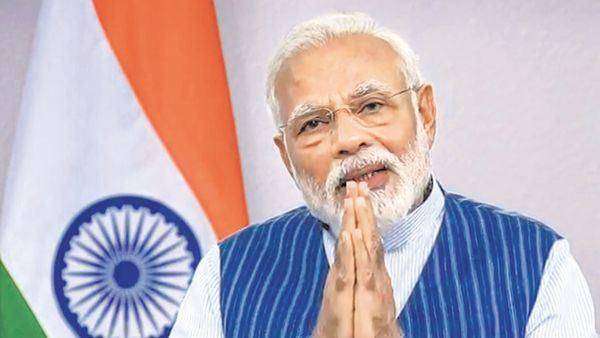
A series of meetings between the BJP leadership, including PM Narendra Modi, and SAD chief Sukhbir Singh Badal indicate that the alliance might be revived. But the question is whether as a poll strategy will they declare the alliance before the elections and contest on seat sharing basis or will the two parties contest separately and join hands after the elections if the seat arithmetic is in their favour.
For the BJP, the biggest baggage remains the farmers’ agitation against the three farm laws enacted by the Centre. Farmer organisations had claimed that nearly 700 farmers died during the year-long protest, a figure that became a powerful symbol of the movement’s human cost. The laws were eventually repealed in 2021, but the political memory of the agitation continues to influence Punjab farmers’ relationship with the BJP.
The BJP government at the centre also faces allegations of squeezing the financial grants to Punjab.
Besides the Dera Sacha Sauda controversy, for the SAD, the challenge is of a different and deeply sensitive nature: the legacy of the 2015 sacrilege controversy and the subsequent anger within sections of the Sikh community. Sukhbir Badal, who was Deputy Chief Minister at the time, later apologised for the party’s handling of the sacrilege issue and sought forgiveness from the community.
The issue has continued to cast a long shadow over the Badal family and the Akali Dal. Recent political commentary has again linked Sukhbir Badal’s difficulties to lingering Panthic anger over the sacrilege controversy.
That anger has also taken a violent turn. Badal survived an assassination attempt at the Golden Temple in Amritsar in December 2024. He was attacked again recently at a gurdwara in Nanded, Maharashtra, suffering an injury before security personnel intervened.
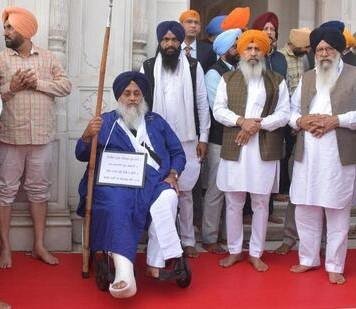
Police have also said that the motive behind the latest attack was under investigation.
This leaves a potentially awkward question for both former allies: Can BJP and SAD persuade Punjab that their old political partnership deserves a new beginning when both parties carry powerful and emotionally charged memories from the past?
The BJP must confront the lingering resentment of a section of the farming community, while the SAD must attempt to rebuild its credibility among Sikh voters after years of controversy surrounding sacrilege and the handling of religious issues.
The significance of that question lies in Punjab’s changing political landscape, where traditional loyalties have increasingly been challenged by new political narratives and voter expectations. The 2027 verdict could therefore reflect not just who wins the most seats, but how voters judge the record, credibility and promises of those seeking to return to power.
For Punjab, therefore, the 2027 election may not simply be a contest over alliances and seats. It could become a referendum on memory, trust and whether voters are willing to give old political players another chance.
And if BJP and SAD eventually return to the same political platform, the alliance will have to answer a question much bigger than seat-sharing: Can a political partnership once built on electoral arithmetic overcome the memories that drove voters away from both parties?