




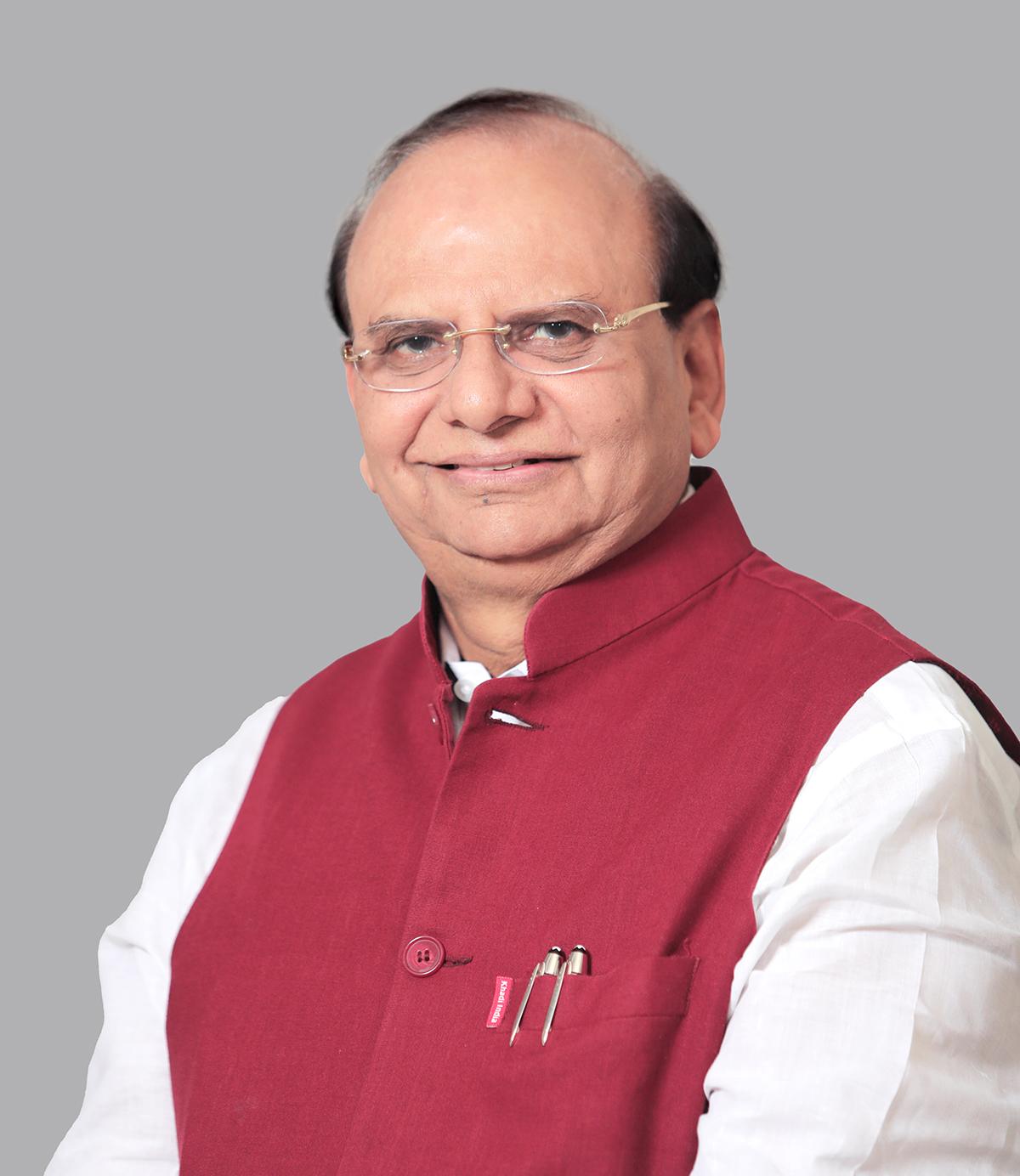
LG Saxena inaugurates new DES complex to strengthen data-driven governance in Ladakh

Lieutenant Governor, Vinai Kumar Saxena, today inaugurated the new office complex of the Directorate of Economics & Statistics (DES) and District Statistics & Evaluation Office (DSEO) in Leh, marking a major step towards strengthening Ladakh’s institutional capacity for reliable data collection, evidence-based planning, monitoring and more effective delivery of development programmes.
The facility, constructed at an estimated cost of approximately ₹19.49 crore, will provide a modern working environment for the department responsible for generating and managing critical statistical information for the Union Territory.
The Directorate of Economics & Statistics serves as the nodal statistical authority of UT Ladakh, undertaking the collection, compilation, analysis and dissemination of official statistical data. Its work supports preparation of GSDP and District Domestic Product estimates, statistical and NSS surveys, and the Annual Statistical Handbook, besides strengthening administrative data systems and Monitoring & Evaluation of development programmes. Reliable data generated by the Directorate enables the Administration to better understand ground realities and take informed decisions.
The new Complex will further facilitate better coordination and integration of development activities. The PM Gati Shakti Cell and NITI Aayog State Support Mission Cell will also be accommodated in the building, enabling closer coordination between statistical systems, infrastructure planning and development initiatives. The DES also functions as the HRM wing of the Planning, Development & Monitoring Department, handling recruitment, appointments, promotions, transfers, service records and other establishment-related matters.
“Reliable data is the foundation of good governance. This new Complex will strengthen the capacity of the Directorate of Economics & Statistics to generate accurate, timely and evidence-based information, enabling better planning, more effective monitoring and informed decision-making for the development of Ladakh. I am confident that this Complex will become an important institution for building a more efficient, data-driven and Carbon-Neutral Ladakh,” said Saxena.
Notably, a major feature of the building is its focus on sustainability and energy efficiency. It incorporates geothermal heating technology, being used for the first time in Ladakh, apart from the optimum utilisation of solar energy and other renewable-energy and sustainable building practices. The integration of geothermal and solar technologies is aimed at helping reduce dependence on conventional energy systems.
The new Complex is expected to serve as an example of data-driven governance and sustainable infrastructure, supporting the Administration’s larger vision of a modern and efficient Ladakh.