
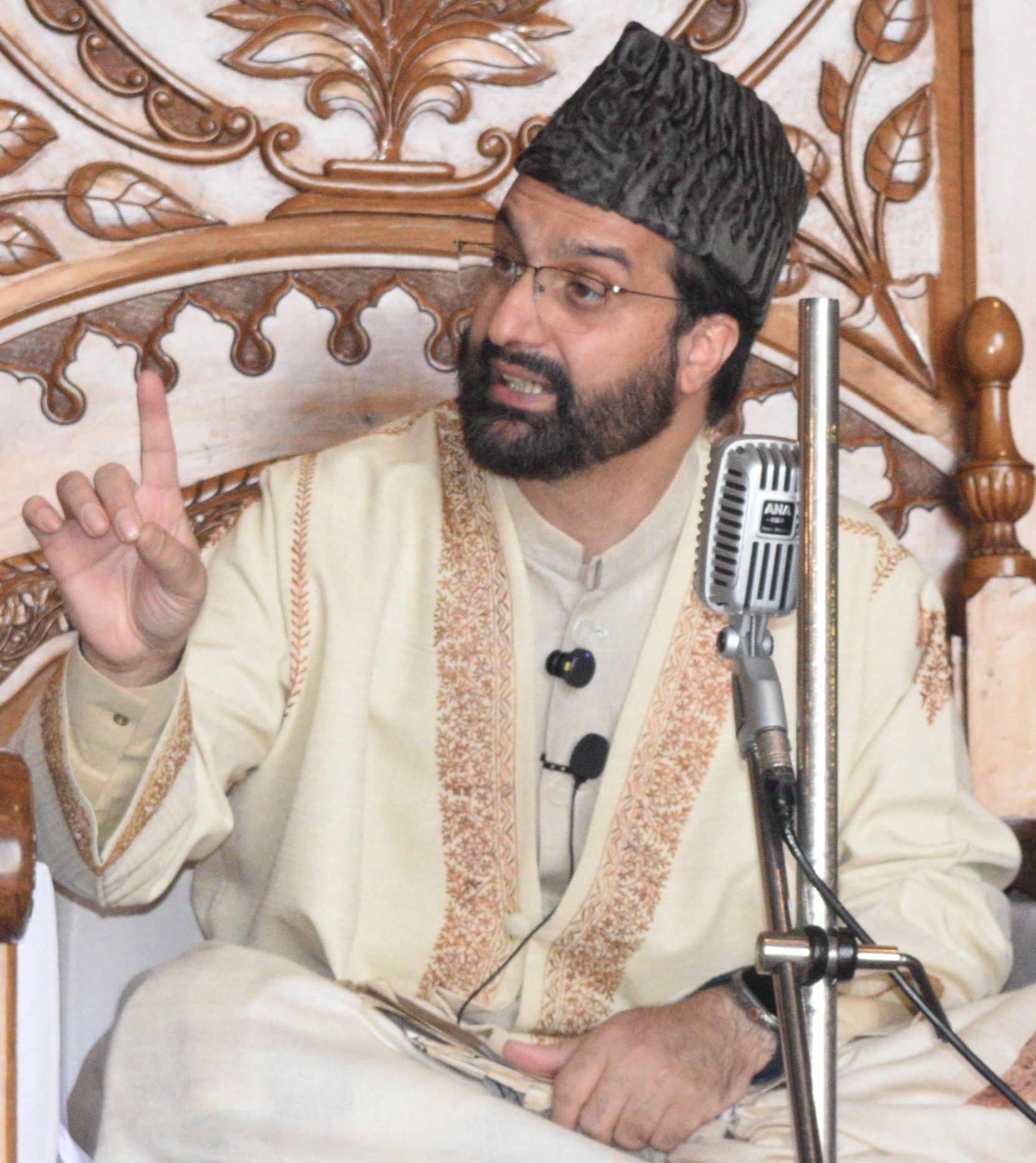
Who is behind rotten meat trade? Mirwaiz demands transparent probe, public disclosure

Mirwaiz Kashmir Dr Molvi Mohammad Umar Farooq on Friday expressed deep concern over food adulteration and the repeated seizures of large quantities of rotten meat. Describing these incidents as deeply regrettable, he said they reflected serious shortcomings in public accountability and social ethics.
Addressing the congregation at Friday prayers at the Jamia Masjid in Srinagar, Mirwaiz said that the United Majlis-e-Ulema Jammu and Kashmir had chosen “Food Adulteration, Moral Decline and Collective Responsibility” as the theme for today’s joint Friday sermon, which was delivered simultaneously on the same theme in mosques, khanqahs, shrines and imambaras across Jammu and Kashmir and Ladakh. Referring to the Quran’s guidance on food that is lawful and wholesome, he said that in Islam, it is not enough for food to be lawful; it must also be pure, healthy and safe for human consumption.
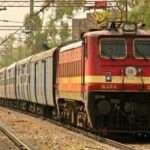
Referring to the recent confiscation of approximately 2,000 kilograms of rotten meat at Budgam railway station, allegedly being brought from Delhi to Kashmir, Mirwaiz praised the railway police’s timely action. However, he asked how such a large quantity of perishable goods had travelled hundreds of kilometres without effective checks or safety measures.
He asked who had dispatched the meat, to whom it was to be handed over in Kashmir and where it was intended to be distributed. Was the consignment being transported with accurate and correct details, and why had the mandatory checks not been carried out?
Calling for a transparent and impartial investigation into the entire supply chain, Mirwaiz said that merely confiscating and destroying rotten meat was not enough. Everyone found to be involved in this vile trade should be identified and exposed, and punished severely in accordance with the law.
He also questioned the outcome of the investigation launched after the confiscation of thousands of kilograms of rotten meat last year and the submission of samples to a forensic laboratory. Mirwaiz said that at the time, a promise had been made that the findings would be made public once the investigation was complete and those responsible would be brought before the law. However, he said it was necessary to explain how far that investigation had progressed and why its report had not yet been made public.
Referring to figures presented in the Legislative Assembly, Mirwaiz said that more than 12,183 kilograms of rotten meat had been destroyed during 2025–26 up to December 2025, while 7,665 kilograms of substandard cheese had also been confiscated in Jammu and Samba. He said that such repeated incidents were not only causing serious public concern but also undermining public confidence in the food safety system.
Expressing concern over serious shortcomings in the enforcement of food safety measures, Mirwaiz cited reports that only 68 food safety officers were posted across Jammu and Kashmir’s 20 districts. Similarly, 11 of the 19 approved technical posts at each of the two food testing laboratories were vacant, while 12 mobile food testing vehicles were also unable to operate effectively because of staff shortages, despite earlier government claims that they were operational.