



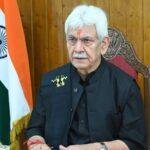

Changpa herders get big relief as Ladakh LG approves new Pashmina incentive scheme

Lieutenant Governor, Vinai Kumar Saxena, in the first meeting of the newly constituted Ladakh Pashmina Development Board (LPDB), has approved two landmark decisions aimed at strengthening Ladakh’s globally renowned Pashmina industry and improving the livelihoods of Changpa pastoral communities.
Saxena approved a major policy – “Livestock Development Incentive Programme” – introduced for the first time, that entails a top-up incentive of 25% on the total Pashmina procurement value to herders, for enhancing local Pashmina Production. The L-G also approved “Rs 8 crore Revolving Fund” to the All Changthang Pashmina Growers Cooperative Marketing Society Ltd. (ACPGCMS), for procurement of raw Pashmina from the nomadic herders and upfront payments to the herders for their produce.
The twin initiatives seek to promote sustainable livestock development, increase the population of Pashmina goats, strengthen the cooperative procurement system, improve the quality and quantity of Ladakh Pashmina, ensure financial benefits to nomadic herders and eliminate distress sales. This would, in turn, also encourage younger generations to continue the traditional practice of Changthangi Pashmina goat rearing, by making it a profitable and more respectable enterprise.
Ladakh is globally recognised for producing the world’s finest quality Pashmina from the indigenous Changthangi goat, reared by the Changpa nomadic pastoral communities of Changthang. However, rising costs of livestock rearing, harsh climatic conditions and fluctuating market returns have adversely affected livestock productivity and the incomes of pastoral families in recent years.
Recognising these challenges, discussed during the first board meeting, Saxena approved the Livestock Development Incentive Programme, under which eligible Changpa herders will receive the 25% top-up incentive, to be paid over and above the procurement price paid by the Government. This incentive will be transferred directly to the beneficiary’s Aadhar-linked bank account through the Direct Benefit Transfer (DBT) system.
This is the first-of-its-kind initiative, designed to make Pashmina goat rearing more profitable and sustainable. The policy has been carefully structured wherein 60 per cent of this top-up incentive received by the herder will be utilised for livestock improvement and scientific breeding. The other 20 per cent will be utilised for infrastructure development, such as improved combing equipment and facilities to enhance Pashmina production, while the remaining 20 per cent could be used for the personal and household needs of the herder, thereby improving their financial sustainability.
It was also decided in the Board meeting that the population of Pashmina goats in Ladakh be increased from nearly 2 lakh at present to at least 4 lakh in three years’ time. A target has been set to increase the raw Pashmina production from 200 grams per goat at present to at least 350 grams per goat, using scientific techniques and advanced tools for combing.
To add to the Livestock Development Incentive Programme, the L-G has also approved the Policy for Creation and Management of Rs 8 crore “Revolving Fund” for the ACPGCMS, the apex cooperative responsible for procurement of raw Pashmina directly from nomadic herders.
The Rs 8 crore fund will be utilised exclusively for procurement of raw Pashmina and making timely payments to producers. The most striking feature of this fund is that the cooperatives will pay 50 percent of the cost of the raw Pashmina upfront to the herders, while the remaining 50 percent amount will be paid in two months. Earlier, the herders were receiving such payments from the cooperatives in 8-10 months’ time, forcing herders to take loans from other sources to meet their expenses on rearing the goats.
Saxena said that the Changpa pastoral communities are the custodians of one of Ladakh’s greatest natural and cultural treasures, and the UT Administration is fully committed to securing their livelihoods, while preserving this unique pastoral heritage. “The Livestock Development Incentive Programme and the Revolving Fund, together represent a comprehensive strategy that addresses both ends of the Pashmina value chain – supporting herders in improving Pashmina productivity while simultaneously, ensuring assured procurement and timely payments. These initiatives would make Pashmina goat rearing more remunerative, encourage greater investment in scientific livestock management, eliminate exploitation by middlemen and position Ladakh as the world’s leading producer of premium-quality, ethically sourced and sustainably produced Pashmina,” Saxena said.
The two decisions followed detailed discussions and suggestions from stakeholders across the Pashmina value chain, including Changpa Pashmina herders and cooperative societies, designers, industry experts and other stakeholders, aimed at promoting sustainable Pashmina production, strengthening procurement mechanisms and enhancing the global competitiveness of Ladakh Pashmina.