



From flash-flood damage to green revival at SKUAST-Jammu

From flash-flood devastation to green revival, the Sher-e-Kashmir University of Agricultural Sciences and Technology (SKUAST)-Jammu has turned its library surroundings into tranquil outdoor reading spaces, successfully completing its 2024–26 plantation drive with a focus on ecological restoration and student well-being.
According to officials, the SKUAST today successfully concluded its multi-year Plantation Drive (2024–2026) aimed at developing and expanding the Open Air Green Zone Reading Areas around the Central Library at Chatha and the Faculty Library at R.S. Pura.
The initiative, designed to connect youth with the environment, underscores the university’s commitment to sustainable eco-tourism, ecological harmony and a drug-free campus under the Nasha Mukt Abhiyan.
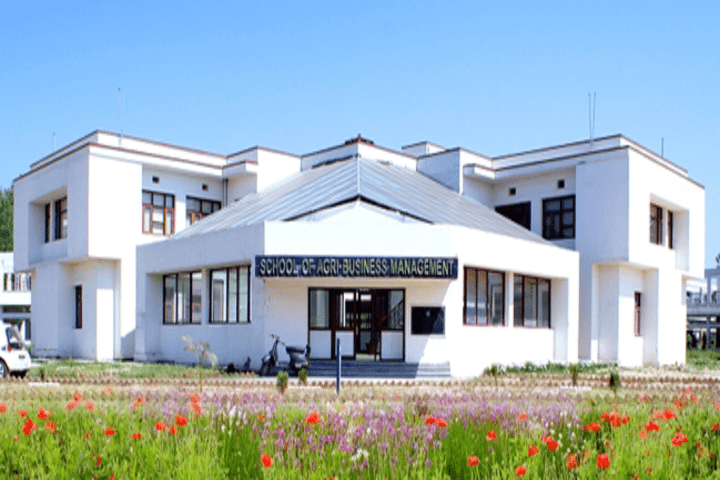
The structured, multi-year roadmap focused on extensive sapling plantation across the Central Library premises at Chatha, with the primary objective of expanding the tranquil outdoor reading space. The serene Green Zone now offers students a unique setting for study amidst nature, fostering a deeper link between education and the environment while symbolising ecological and cultural harmony.
A wide range of native, fruit-bearing, ornamental, flowering and avenue plants—including Alphonso mango—were planted to enhance both the ecological value and aesthetic appeal of the zone. The expanded Open Air Green Zone Reading Area provides a peaceful, eco-friendly space with natural light and seasonal tranquillity, ideal for concentrated study and reflection.
Focus on Resilience: Post-Flash Flood Context -The drive assumed added significance in the aftermath of the severe flash floods that struck the SKUAST-Jammu Chatha campus in late August 2025, causing substantial damage to infrastructure, including library areas. After the resumption of full operations, plantation and maintenance efforts formed a key component of the campus restoration and greening programme. Emphasis was placed on rehabilitating and further developing the Green Zones as living symbols of recovery, resilience and sustainable growth. Continuous maintenance, training and care of the fruit, flowering and avenue trees ensured high survival rates and healthy development of the Open Air Green Zone Reading Areas in accordance with the planned roadmap.
Year-wise Overview 2024: Initiation of the structured plantation drive with focus on establishing and expanding the foundational green cover around the Central Library and Faculty Library. Initial planting of native, ornamental and fruit-bearing species to create the core Open Air Green Zone Reading Area.
2025: Intensified plantation and consolidation phases, including post-monsoon and recovery planting after the August 2025 flash floods. Emphasis on survival, maintenance and training of trees while integrating the Green Zone more fully into daily library and campus life.
2026 (culminating in September): Final phase of expansion, maintenance and formal conclusion of the year-wise drive, with sustained care of the established plantation to ensure long-term ecological and educational benefits.
Specific inventories of native species, fruit-bearing trees such as Alphonso mango, flowering plants and avenue trees were maintained as part of the internal roadmap for ongoing management. Dignitaries, university officers, faculty, library staff and students participated in successive planting events throughout the period.
Leadership and Team Contribution- Prof. R.K. Samnotra, University Librarian, stated that the expanded Open Air Green Zone Reading Area, developed under the visionary leadership of Hon’ble Vice-Chancellor Prof. B.N. Tripathi, offers a unique space for learning in harmony with nature. The initiative actively promotes horti-forestry tourism and encourages eco-tourism research groups and the wider community to explore the lush green landscape of the university campus and learn about sustainable agriculture and environmental stewardship.
Library staff entrusted with the responsibility of maintaining this vibrant learning ecosystem played a vital role throughout the drive. Key contributors included Sh. Leela Dhar Mangi (Assistant Librarian), Dr. Asha Rani, Dr. Amit Sharma, Dr. Meenakshi Devi (Senior Library Assistants), Narinder Sharma, Krishan Chand Sharma, Sharda Rani, Bishan Dass, Sushil Sharma, and the dedicated outsourced library workers. Their continuous efforts in plantation, maintenance, watering, protection and training of the trees have been instrumental in realising the vision of a green, student-centric campus.
Broader Impact- Beyond beautification, the drive supports the university’s larger goals of environmental education, youth engagement, climate resilience and the creation of drug-free, nature-connected spaces for holistic learning. The Green Zone stands as a living classroom that links agricultural sciences, forestry, horticulture and library services.
The conclusion of this sustained plantation drive today marks not an end but a continuing commitment to nurture and expand these green learning spaces for future generations of students and visitors at SKUAST-Jammu.