




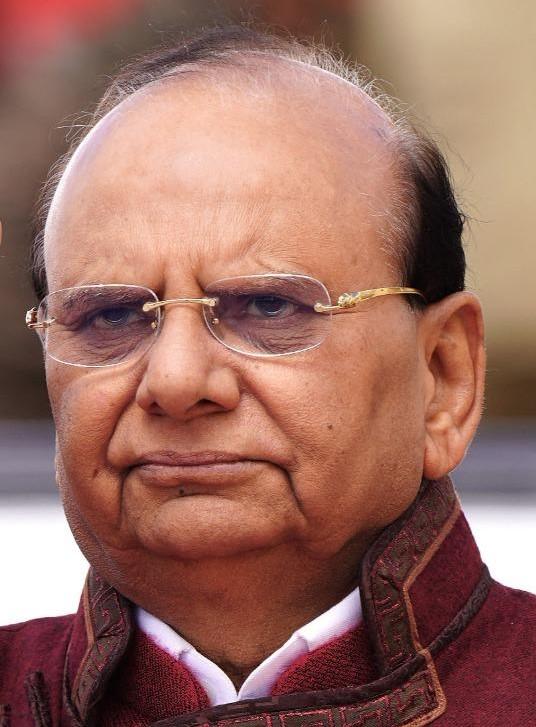
Ladakh’s first ice hockey rink inaugurated by LG Saxena

In a major boost to winter sports infrastructure in Ladakh, Lieutenant Governor, Vinai Kumar Saxena, today inaugurated the Union Territory’s first international-level artificial ice hockey rink at NDS Stadium in Leh, describing the facility as a major investment in the future of Ladakh’s young sportspersons.
Built at a cost of approximately Rs.42 crore, the state-of-the-art rink is equipped with a 24×7 chilling facility, enabling ice hockey players to train throughout the year, irrespective of the natural weather conditions.
The facility addresses one of the biggest challenges faced by ice hockey in Ladakh—the extremely short natural ice season. Until now, players were largely dependent on winter months and had only a limited period of around two to three months to train and compete. The narrow window also meant that tournaments and other competitions had to be fitted into an already tight seasonal schedule, leaving little scope for sustained training and systematic preparation.
With the new 24×7 rink, this limitation is set to be overcome. The facility is expected to significantly improve the quality and consistency of preparation of Ladakh’s ice hockey players for national and international-level competitions.
The Lieutenant Governor termed the facility a landmark investment in Ladakh’s youth and expressed confidence that it would help transform the UT into one of India and the world’s leading winter sports hubs.
“This 24×7 chilling facility will ensure that our young players no longer have to wait for winter to practise. They can now train throughout the year, with the flexibility and continuity required to compete at the highest levels. I am confident that this sustained training opportunity will take our players to new heights and enable them to represent India at international sporting events. This rink will strengthen Ladakh’s position on India’s winter sports map,” Saxena said.
The Lieutenant Governor said the facility would also help identify and nurture new talent from Leh and other parts of Ladakh and prepare them systematically for national and international competitions. Beyond competitive sport, the world-class facility, Saxena said, is expected to generate wider opportunities in sports tourism and the local economy.