

MHA proposes Constitutional amendment, Article 240 regulation for Ladakh safeguards:CS

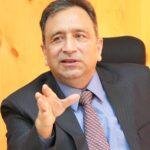
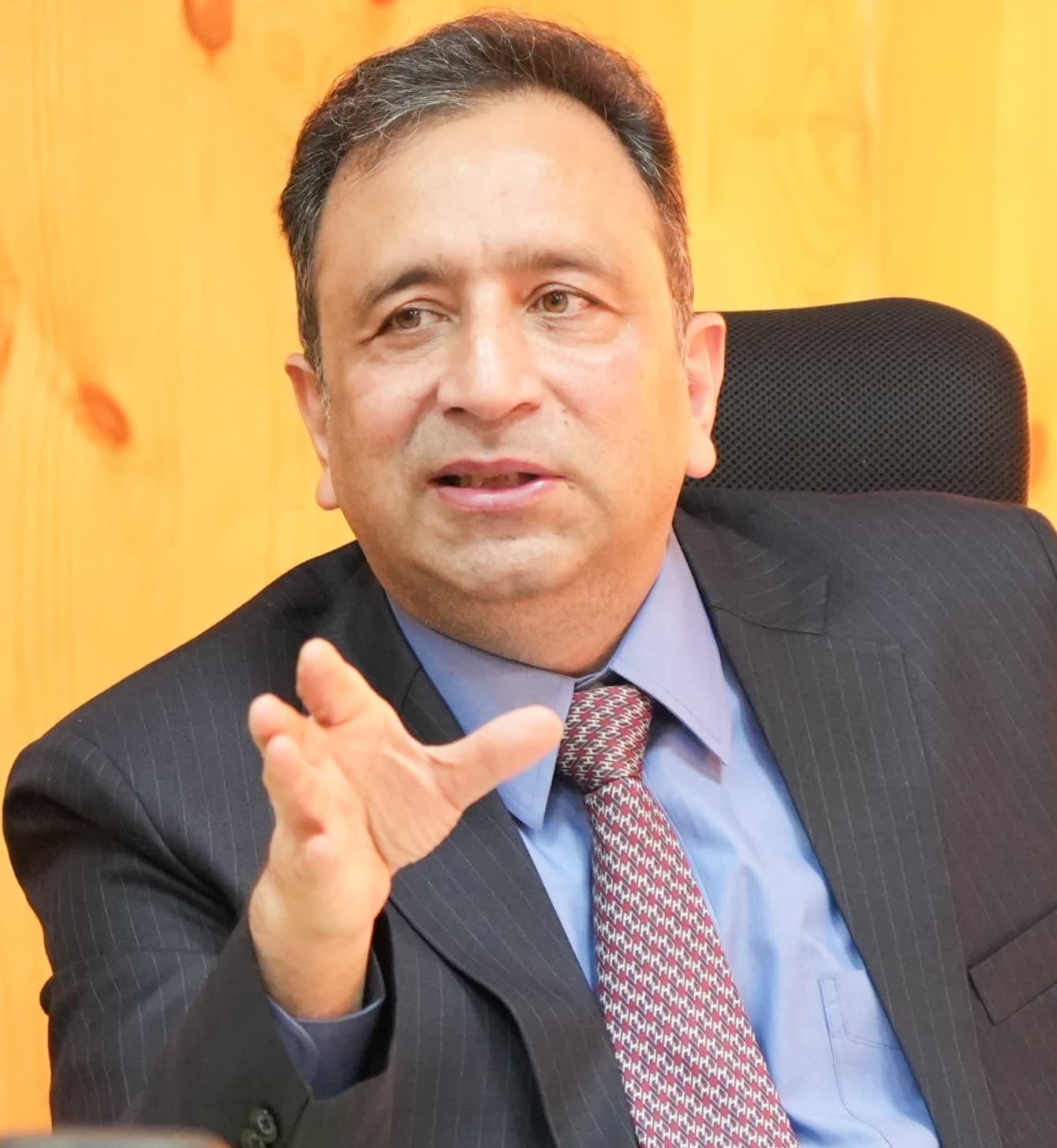
The Chief Secretary, Union Territory of Ladakh, Ashish Kundra, on Saturday highlighted major infrastructure achievements dedicated to the people of Ladakh by the Prime Minister on October 15 and outlined the progress made in discussions with the Ministry of Home Affairs (MHA) on constitutional safeguards and the proposed democratic framework for the Union Territory.
The Chief Secretary said that infrastructure projects worth approximately ₹3,350 crore were dedicated to the people of Ladakh, with around 10,000 people from all seven districts participating virtually in the programme.
Key highlights included the completion of the Leh Airport Terminal, valued at approximately ₹640 crore, with flight operations commencing on October 16; improved connectivity to Zanskar, reducing travel time from Leh from nearly 12 hours to approximately three hours; and the commissioning of the 9 MW Hanu Hydropower Project, taking the combined capacity of the Dha and Hanu projects to 18 MW.
Emphasising water conservation, the Chief Secretary stated that, in response to public demand, the Lieutenant Governor had directed an increase in the number of Amrit Sarovars from 40 to 100 across Ladakh. He also highlighted the Petroglyph Park along the Indus as an important initiative for preserving and showcasing the region’s rich archaeological heritage and historical links with the Silk Route.
On the ongoing dialogue concerning constitutional safeguards, the Chief Secretary described the successive meetings between Ladakh’s representatives and the MHA as constructive, with tangible progress towards addressing the aspirations of the people. He highlighted key measures already undertaken, including enhancement of Scheduled Tribe reservation to 84 per cent, recruitment of 107 local candidates against 109 Group A doctor posts through UPSC, recognition of Bhoti and Purgi as official languages, and one-third reservation for women in the Ladakh Autonomous Hill Development Councils (LAHDCs).
The Chief Secretary informed that, following discussions on October 15, the MHA shared a detailed framework document with Ladakh’s representatives on October 16. The document proposes a two-stage approach involving a constitutional amendment and a subsequent regulation under Article 240 of the Constitution, with provisions envisaged for a directly elected Union Territory-level body and safeguards concerning land, natural resources, culture and other issues raised by the representatives.
He clarified that the document was intended to facilitate further discussion and was not the outcome of a concluded legislative process. The proposed constitutional provisions and the subsequent regulatory framework would require detailed examination and deliberation before being finalised.
The Chief Secretary said that several institutional questions remained open for consideration and examination, including the nomenclature and composition of the proposed body, the method of election, representation of women and underrepresented communities, nominated and ex-officio members, the authority responsible for conducting elections, delimitation of constituencies, electoral rolls, tenure and the relationship of the proposed body with existing institutions such as the LAHDCs, Panchayats and municipalities.
Reaffirming the Central Government’s commitment to the dialogue, the Chief Secretary said the objective was to arrive at a balanced and workable framework that reflects the democratic aspirations of the people while ensuring institutional clarity and taking into account its distinctive geographical, cultural and administrative circumstances through sustained dialogue and mutual understanding.
The Chief Secretary emphasised that these issues could not be settled unilaterally and required broad-based consensus among the leadership and stakeholders of Ladakh. He urged all stakeholders to approach the process constructively and expressed hope that the remaining issues would be resolved through continued consultation in the coming weeks and months.
The Chief Secretary also highlighted the establishment of the High Court Bench in Leh as a significant milestone in improving access to justice in Ladakh. The presence of the Hon’ble Chief Justice and Judges of the High Court of Jammu & Kashmir and Ladakh, along with the Attorney General of India, underscored the importance of the occasion. He noted that the initiative, operationalised within a span of two months, would significantly ease access to High Court services for the people of Ladakh by reducing the need to travel to Jammu or Srinagar. He described it as a proactive initiative of the Government of India, reflecting its sensitivity to Ladakh’s geographical challenges and commitment to bringing justice closer to the people.