



Panic mid-air: Gulmarg gondola mishap exposes safety gaps

The latest malfunction of the Gulmarg Gondola has once again brought the spotlight back on safety concerns surrounding one of Kashmir’s biggest tourist attractions. Nearly nine years after the fatal 2017 cable car tragedy, another major disruption on Monday left around 320 visitors stranded high above the ground for several hours, reviving fears about the reliability and preparedness of the ropeway system.
The incident has triggered fresh debate over whether adequate measures were put in place after previous accidents and repeated technical interruptions. While Gulmarg continues to attract thousands of visitors from across the country during the summer season, Monday’s ordeal highlighted the risks tourists face when emergency systems and infrastructure are pushed under pressure.
Men, women and children remained trapped inside suspended cabins after the ropeway developed a technical fault, forcing authorities to launch a massive rescue operation. The incident has intensified demands for a thorough inspection and safety review of the Gondola before tourist footfall increases further in the coming weeks.
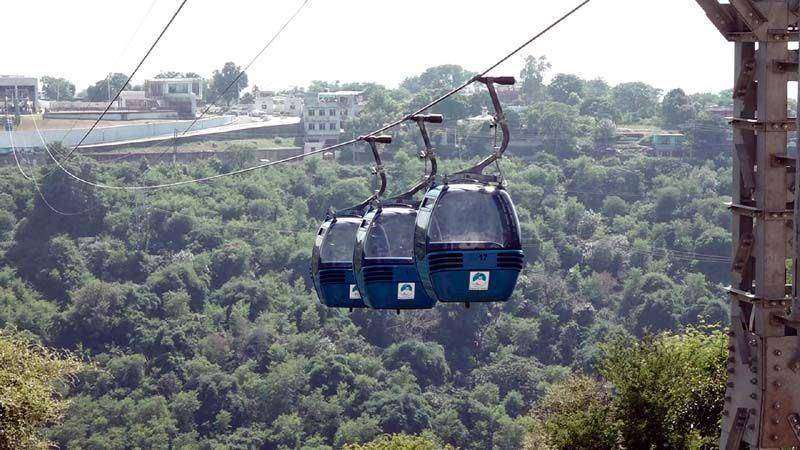
Considered the crown jewel of Kashmir tourism, the Gulmarg Gondola operates at an altitude of over 13,000 feet and is counted among the highest cable car projects in Asia. The ropeway functions in two phases — the first connecting Gulmarg to Kongdori and the second stretching further to the snow-covered Apharwat peak.
Safety concerns surrounding the Gondola are not new. On June 25, 2017, seven persons, including members of a tourist family from Delhi, lost their lives after strong winds uprooted a deodar tree which struck the cable system, causing cabins to crash. Rescue teams at the time had struggled for hours to evacuate over a hundred stranded tourists from suspended cable cars.
A similar emergency was witnessed again in June 2023, when nearly 250 tourists had to be rescued after a technical issue interrupted Gondola services towards the Apharwat phase.
During Monday’s incident, around 65 cabins reportedly remained suspended in the air for nearly seven hours before all passengers were safely evacuated. Personnel from the Army, SDRF and Jammu and Kashmir Police carried out rescue efforts in difficult terrain and adverse weather conditions.
Officials said rescue teams were deployed across different stretches of the ropeway to assist stranded tourists. Army teams also pressed specialised all-terrain vehicles into service to speed up evacuation in areas inaccessible by normal transport.
The recurring incidents have raised broader concerns over cable car safety in Jammu and Kashmir. In another tragic mishap in January 2019, two persons were killed during a trial run of the Bahu Fort ropeway in Jammu after a cable car plunged mid-way.