


Spalbar seeks inclusion of Autonomous District Councils in Ladakh model

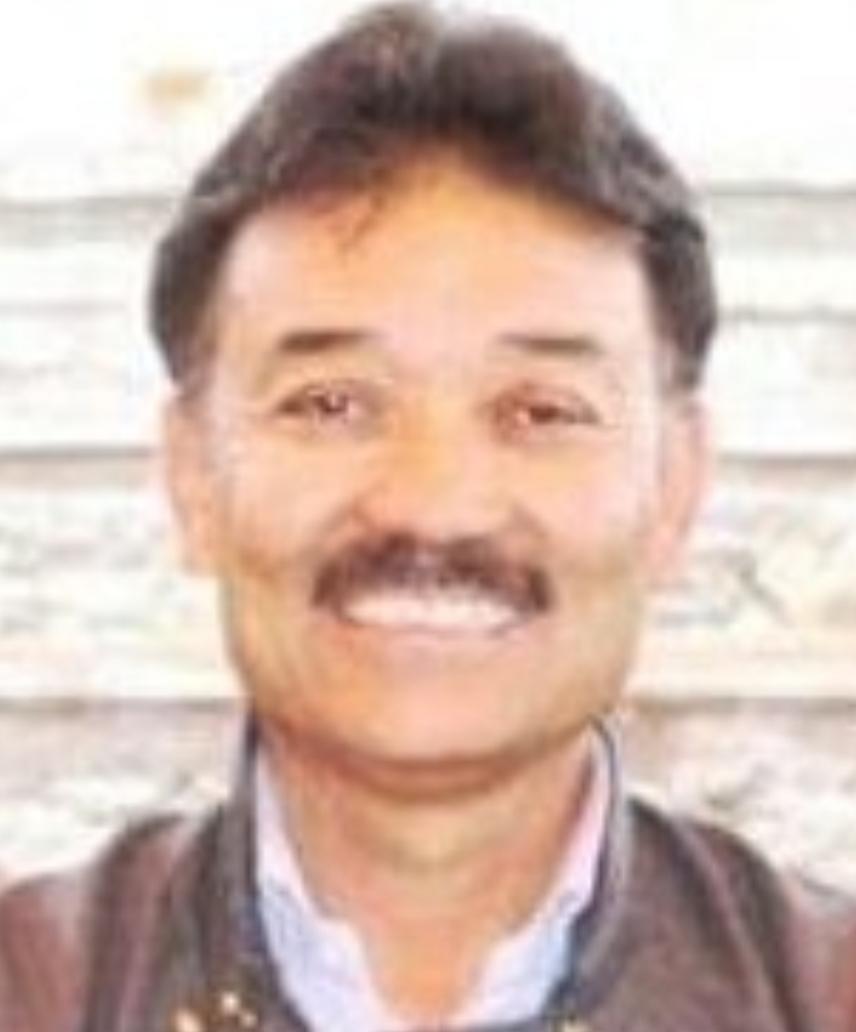
Former chairman and chief executive councillor of the Ladakh Autonomous Hill Development Council (Leh), Rigzin Spalbar, has welcomed the Centre’s in-principle consensus on constitutional safeguards for Ladakh but voiced strong concern over the exclusion of provisions for Autonomous District Councils (ADCs) for the districts from the proposed framework.
In a statement, Spalbar described the consensus reached between the Government of India, the Apex Body, the Kargil Democratic Alliance (KDA) and other stakeholders as a significant step towards addressing Ladakh’s long-pending demands. However, he said the deletion of the ADC proposal during the July 3 meeting in Leh with senior officials of the Union Territory administration and the Ministry of Home Affairs had hurt public sentiment across Leh, Zanskar, Drass, Sham, Nubra, Changthang and other remote regions.
He maintained that while he has consistently supported the inclusion of Ladakh under the Sixth Schedule, constitutional safeguards would remain incomplete without empowered district-level institutions. According to him, Autonomous District Councils are essential for decentralised governance, equitable development, protection of tribal land and culture, and addressing the distinct geographical challenges of the Himalayan region.
Spalbar urged the Government of India to begin drafting the proposed Ladakh safeguards framework in consultation with local stakeholders and ensure that provisions for Autonomous District Councils for intending districts are incorporated into the final model. He said any framework without ADCs would fall short of the aspirations of the people of Ladakh.
However, I express my deep concern and strong resentment over the deletion of the provision for creation of Autonomous District Councils for the intending districts in the latest meeting held on 3rd July at Leh with the Chief Secretary, UT Ladakh and the Additional Secretary, Ministry of Home Affairs, Government of India.
This has hurt the sentiments of the people of Leh, Zanskar, Drass, Sham, Nubra, Changthang and other remote areas, who have been standing firm & in the forefront of supporting this cause and the movement.
Why Autonomous District Councils (ADCs) are non-negotiable for Ladakh:
Grassroots Empowerment: ADCs will delegate real decision-making powers to the tribal and local people of each district, ensuring governance is by the people, for the people.
Geographic Necessity: Ladakh is a huge, sparsely populated, remote and mountainous UT with extreme weather and poor connectivity. One centralized power centre & super administration cannot address the diverse needs of Zanskar, Nubra, Changthang, Drass and Sham. Decentralization is not a choice, it is a necessity.
Equitable Development & Less Bureaucracy: ADCs will cut red-tapism & vested political interference to ensure need based equitable distribution of resources, and prevent anti-district interference from the top. Every district will get to plan and execute as per its own needs.
Protection & Harmony: Elected ADCs will safeguard the land, language, culture and employment of tribal communities and will be the best guarantee for long-term communal harmony and peace in this strategically located border area.
Completing the Vision: It is illogical to seek constitutional safeguards for Ladakh and at the same time deny the very institution — the ADC — that delivers those safeguards at the grassroots.
Now that an in-principle consensus has arrived , the drafting of the Ladakh model for safeguards must begin immediately by the Government of India in consultation with Ladakh’s bodies.
“I urge that this drafting process must include the provision for Autonomous District Councils for the intending districts, in line with the people’s aspirations. Anything less would be incomplete and unacceptable.”
“Ladakh is different in every respect. What works for tropical mainland India cannot be imposed here. We need a model that respects our geography, demography, and unique Himalayan identity”, he said.