


Rigzin Spalbar calls LAHDC expansion across all 7 districts a landmark step for empowered Ladakh

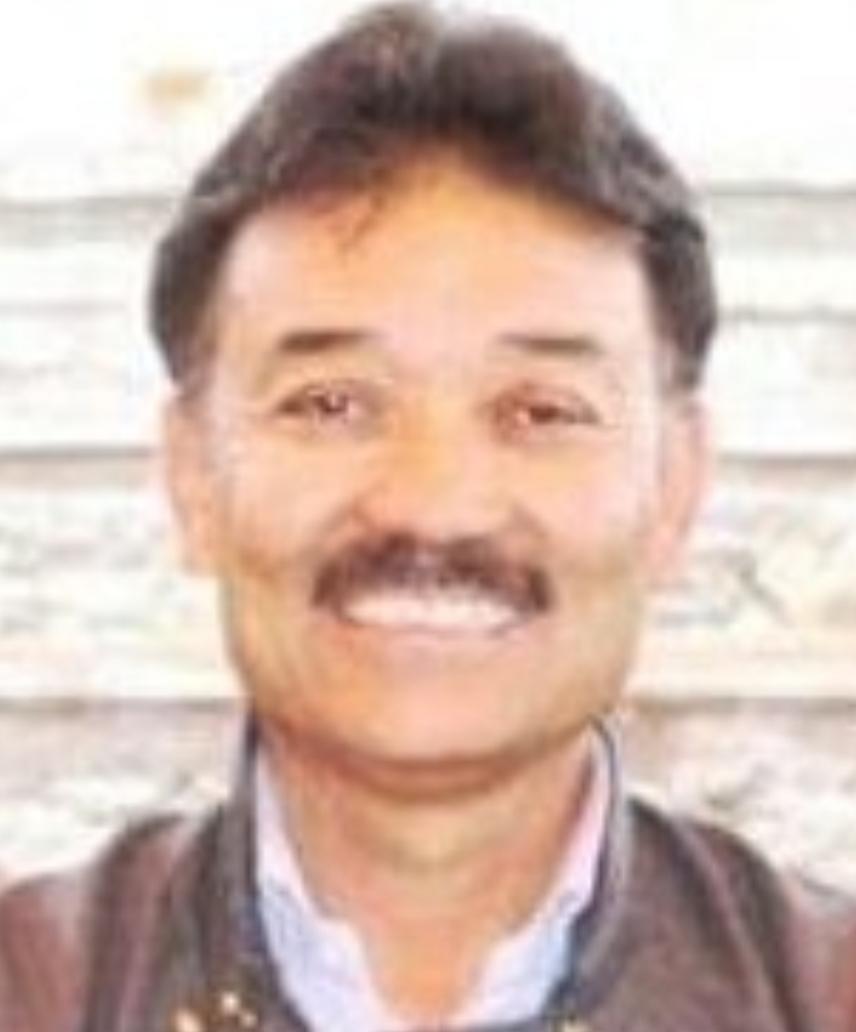
Former Chairman and Chief Executive Councillor of the Ladakh Autonomous Hill Development Council (LAHDC), Leh, Rigzin Spalbar has welcomed the decision to extend the provisions of the Ladakh Autonomous Hill Development Council (LAHDC) Act to all seven districts of Ladakh, calling it a historic step towards strengthening grassroots democracy, regional empowerment and national security.
In a letter addressed to Lieutenant Governor V.K. Saxena, Spalbar said the decision represents another milestone in Ladakh’s political journey after the creation of the Union Territory in August 2019 and the in-principle agreement to grant Ladakh a customised Union Territory with a Legislature under Article 371.
He said extending the LAHDC framework to all seven districts would decentralise governance by bringing decision-making closer to the people and enabling district-specific planning and development in regions such as Zanskar, Nubra, Changthang, Drass and Sham.
Spalbar said the move would strengthen constitutional safeguards for Ladakh’s land, employment, culture, language, environment and traditional lifestyle while ensuring equitable representation of all communities, including 33 per cent reservation for women.
Highlighting the strategic importance of the border region, he said politically and administratively empowering every district would reinforce India’s long-term national security interests by strengthening local institutions in sensitive frontier areas.
The former CEC noted that the success of the existing Hill Councils in Leh and Kargil had demonstrated the effectiveness of decentralised governance, paving the way for the Centre to replicate the model across all districts of Ladakh.
He further said the decision would open new avenues for youth leadership, local employment and targeted development of remote border villages, ensuring that geographical remoteness and harsh weather do not hinder development.
Spalbar also observed that the move recognises Ladakh’s unique geographical and administrative challenges, arguing that governance in Himalayan regions should be based not only on population but also on factors such as terrain, distance and landmass.
Describing the extension of the LAHDC Act as a historic reform alongside the creation of the Union Territory and the proposed constitutional safeguards under Article 371, Spalbar said it reflected the Centre’s commitment to protecting Ladakh’s identity while promoting inclusive development.
He expressed gratitude to Prime Minister Narendra Modi, Union Home Minister Amit Shah, Lieutenant Governor V.K. Saxena and Chief Secretary Ashish Kundra for what he described as a transformative decision to politically empower the people of Ladakh and build a stronger region within a stronger India.